As the United Kingdom is no longer a member of the European Union (EU), UK passport holders are subject to different rules and requirements for visiting Europe compared to when the UK was part of the EU. As a UK passport holder, you do not need to apply for a Schengen visa to visit countries within the Schengen Area. The Schengen Area is a group of 26 European countries that have agreed to allow for the free movement of people across their borders. UK passport holders are eligible for visa-free travel to the Schengen Area for short stays of up to 90 days within a 180-day period for tourism, business, or family visits without a visa.
However, it’s important to note that the purpose of your visit, the duration of your stay, and the specific requirements for entry may vary by country, and it’s always recommended to check the most up-to-date information from the relevant authorities, such as the embassy or consulate of the country you plan to visit, before making any travel plans. It’s also essential to ensure that your UK passport is valid for the duration of your trip and meets any additional entry requirements, such as having sufficient validity or blank pages. Additionally, make sure to have travel insurance and the necessary documents to support your purpose of travel, such as proof of accommodation, financial means, and return or onward travel tickets.
Here are some options for UK passport holders to visit Europe:
- Visa-free travel: UK passport holders are eligible for visa-free travel to some European countries for short stays. For example, UK passport holders can travel to countries such as France, Germany, Italy, Spain, and many others for up to 90 days within a 180-day period for tourism, business, or family visits without a visa. However, it’s important to note that the rules for visa-free travel may vary by country and the purpose of your visit, and overstaying the allowed duration can result in fines, penalties, or future travel restrictions.
- Schengen Visa (long stays over 180 days): The Schengen Area is a group of 26 European countries that have agreed to allow for the free movement of people across their borders. UK passport holders can apply for a Schengen visa from the embassy or consulate of the specific Schengen country they plan to visit. The process for applying for a Schengen visa is typically outlined in the previous response provided.
- EEA/EU Settlement Scheme: If you are a UK passport holder who was living in an EU/EEA country before December 31, 2020, you may be eligible to apply for the EEA/EU Settlement Scheme, which allows you to continue living and traveling in that country. The exact requirements and application process may vary depending on the country, and it’s important to check the relevant government websites for up-to-date information.
- Work or study visas: If you are planning to work or study in a European country, you may need to apply for a work or study visa, depending on the country’s requirements. These visas typically have specific requirements and processes, and it’s important to consult the embassy or consulate of the country you plan to visit for detailed information.
It’s crucial to note that immigration rules and requirements can change over time, and it’s always recommended to check the most up-to-date information from the relevant authorities, such as the embassy or consulate of the country you plan to visit, before making any travel plans.
Visiting Europe with a Philippine Passport
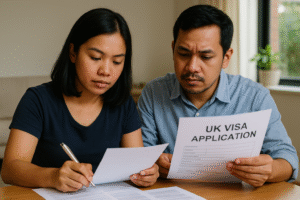
As a Philippine passport holder, you may need to obtain a visa to visit Europe, including the countries in the Schengen Area. Here are the general steps to apply for a Schengen visa from the UK:
- Determine the Schengen country you will be visiting: The Schengen Area consists of 26 European countries, and you will need to apply for a visa from the embassy or consulate of the specific Schengen country you plan to visit. This will depend on your main destination or the country where you will spend the most time during your trip.
- Gather the required documents: Each Schengen country has its own specific requirements for visa applications, so it’s important to check the website of the embassy or consulate of the country you plan to visit for the complete list of documents needed. Generally, you will need a valid passport, completed visa application form, passport-sized photos, travel itinerary, proof of accommodation, proof of financial means, travel insurance, and other supporting documents depending on your purpose of travel (e.g., tourism, business, family visit, etc.).
- Schedule an appointment: You will need to schedule an appointment with the embassy or consulate of the Schengen country you plan to visit to submit your visa application. Appointments are typically required, and you may need to book an appointment online or through a visa application center.
- Attend the visa appointment: On the day of your appointment, bring all the required documents and submit your visa application in person. You may also need to pay a visa application fee, which varies depending on the Schengen country.
- Wait for the visa decision: After submitting your visa application, the embassy or consulate will process your application and make a decision. This can take several weeks, and you may be required to provide additional documents or attend an interview if requested by the embassy or consulate.
- Collect your passport and visa: If your visa application is approved, you will need to collect your passport from the embassy or consulate, along with the visa affixed to your passport. If your visa application is denied, you will receive a notification explaining the reason for the denial.
It’s important to note that visa requirements and processes can vary by country and may change over time, so it’s always recommended to check the most up-to-date information from the embassy or consulate of the specific Schengen country you plan to visit before making any travel plans. Additionally, make sure to plan ahead and allow sufficient time for the visa application process, as it can take several weeks or even longer to obtain a visa.
Disclaimer: This article is for general information only. Entry requirements, visa policies, and travel regulations may change, so always check the latest guidance from the relevant European country and official UK Government sources before travelling.