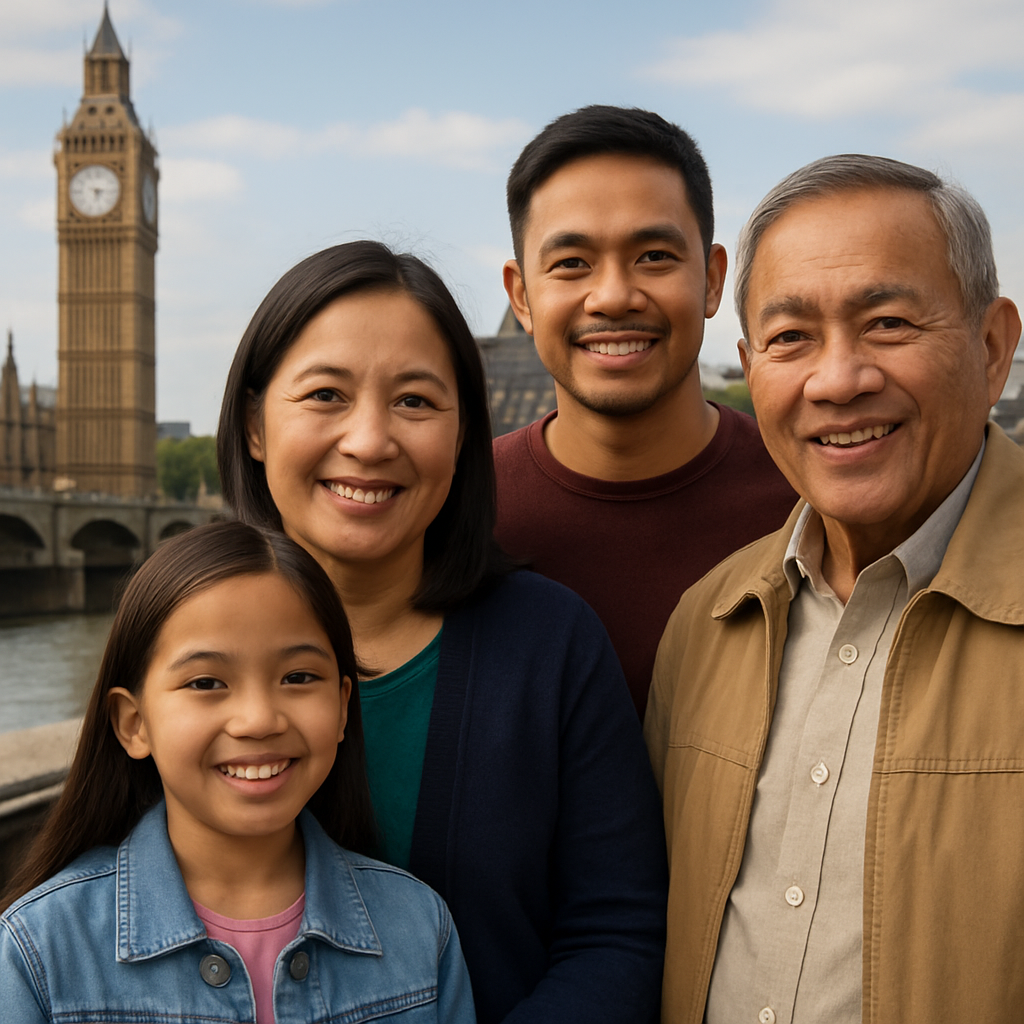
Filipinos in the United Kingdom are now an established and vibrant part of British society. With more than 200,000 Filipinos living across England, Scotland, Wales, and Northern Ireland, the community has grown from early NHS recruits in the 1970s into a multigenerational diaspora. Yet, as families settle and children are born or raised in the UK, a question continues to emerge: How do we preserve our Filipino culture and identity across generations?
The First Generation: The Foundation of Resilience
The first wave of Filipino migrants came to the UK with dreams of a better life. Many were nurses, caregivers, or professionals who left behind family, friends, and the familiar comforts of home.
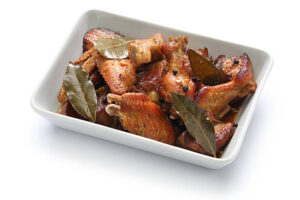
For them, being Filipino meant holding tightly to language, faith, and tradition as anchors in a foreign land. Their homes were filled with the sound of Tagalog or Ilocano, the smell of adobo simmering in the kitchen, and the rhythms of OPM (Original Pilipino Music) on weekends.
Community gatherings—church services, fiestas, and Filipino associations—became extensions of home. These were not just social events, but cultural lifelines, where the first generation passed on their values of bayanihan (community spirit), utang na loob (gratitude and reciprocity), and malasakit (empathy).
The Second Generation: Between Two Worlds
The children of Filipino migrants—the so-called second generation—grew up British in accent but Filipino at heart. Many navigate a complex cultural balance: feeling “too Filipino” among their British peers, yet “too British” when visiting relatives back home.
Language often becomes the first bridge lost. Some children understand Tagalog but rarely speak it fluently. Yet even without words, Filipino values continue to shape their character—respect for elders, hospitality, and a strong sense of family responsibility.
The challenge for parents is to nurture pride without pressure—to help their children appreciate their roots without feeling alienated. Many families now use creative ways to keep traditions alive:
-
Watching Filipino films or TV shows together
-
Teaching children to cook traditional dishes
-
Celebrating Independence Day and Simbang Gabi
-
Traveling to the Philippines for family visits
-
Enrolling in cultural groups or Filipino youth associations
These experiences help the second generation embrace a blended identity—British by upbringing, Filipino by heritage.
The Later Generations: Redefining Filipino Identity Abroad
As time goes on, third and later generations may have weaker ties to the Philippines itself—but that doesn’t mean their Filipino identity disappears. Instead, it evolves.
Younger British-Filipinos are increasingly rediscovering their heritage through digital platforms—TikTok, YouTube, podcasts, and online communities. They explore Filipino history, language, and arts not out of obligation, but curiosity and pride.
Filipino festivals in London, Manchester, and Glasgow are now multicultural events, where lumpia and halo-halo are enjoyed by all. This shows how Filipino culture continues to grow—not confined to nostalgia, but shared and celebrated openly in modern Britain.
Passing the Torch: What Can We Do?
Preserving culture isn’t about resisting change—it’s about ensuring that values and stories endure, even as surroundings evolve. Here’s how Filipino families and communities can continue this legacy:
-
Keep the Language Alive – Encourage conversational Tagalog, Ilocano, Visayan, or any native dialect at home. Even simple greetings like “Salamat” or “Kumusta” help children connect emotionally.
-
Celebrate Filipino Holidays – Independence Day, Christmas, and fiestas can be meaningful family traditions, even with a UK twist.
-
Share Stories and History – Talk about life in the Philippines, family sacrifices, and the journey of migration.
-
Support Filipino Youth Groups – Organizations promoting culture, dance, and mentorship keep young Filipinos engaged.
-
Promote Pride Without Pressure – Let younger generations explore their heritage at their own pace; cultural pride grows best when it’s chosen, not forced.
The story of Filipinos in the UK is no longer just about migration—it’s about continuity. From the first nurse who arrived decades ago to the British-born child learning Tinikling for the first time, every generation adds a new chapter to the Filipino story abroad.
Culture lives not only in traditions but in values—family, compassion, hard work, and joy even in hardship. As long as these remain, the Filipino identity will continue to thrive—strong, adaptable, and proudly woven into the fabric of British life.
Disclaimer: This article is for general information only and reflects cultural perspectives that may vary between individuals, families, and communities.