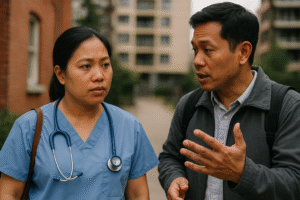
Over the last few decades, the Filipino community in the United Kingdom has grown into one of the country’s most dynamic migrant populations. From London to Leeds, Filipino nurses, students, professionals, and families have built lives rooted in both British society and Filipino tradition.
Beyond their personal success stories, many Filipinos are also working collectively to make their voices heard—advocating for workers’ rights, cultural recognition, and community empowerment. Through community organisations, church groups, and advocacy networks, they are shaping a more visible and influential Filipino presence in the UK.
Building Bridges Through Community Organisations
Filipino community organisations have long been the heartbeat of Filipino life abroad. What began as small hometown associations and faith-based groups has evolved into a national network of organisations serving thousands of overseas Filipinos and their families.
These groups offer vital services such as:
-
Legal and immigration advice for migrant workers
-
Mental health and pastoral support for NHS staff and carers
-
Cultural programs celebrating Filipino heritage
-
Youth mentorship and leadership workshops
Among the most active organisations are:
-
Philippine Nurses Association UK (PNA-UK) – promoting professional development and mental well-being for healthcare workers.
-
Kalayaan – advocating for domestic workers’ rights and protection from exploitation.
-
Bahay Kubo Housing Association – supporting housing and community engagement for Filipino families.
-
The Filipino Chaplaincy UK – providing spiritual care and organizing cultural celebrations like Simbang Gabi and Barrio Fiesta.
Each organisation plays a crucial role in ensuring Filipinos feel supported and represented in the UK.
From the Margins to the Mainstream: Advocacy in Action
While community groups once focused mainly on social gatherings, today’s Filipino organisations are also powerful voices for advocacy and representation.
During the COVID-19 pandemic, Filipino NHS workers were among the hardest hit. Community leaders stepped forward to highlight their sacrifices and push for safer working conditions and recognition of migrant contributions. This led to greater public awareness of the Filipino role in sustaining the NHS.
Filipino advocates also work with UK institutions and government agencies to improve migrant welfare policies, address workplace discrimination, and promote diversity in healthcare leadership. Their message is clear: Filipinos are not just workers; they are essential members of British society.
Empowering the Next Generation
For the UK-born and raised Filipino youth, community organisations are creating platforms for identity and leadership.
Initiatives like Young Filipino Professionals UK and Filipino Students Society (FSS) chapters in universities provide mentorship, networking, and civic engagement opportunities. They encourage younger generations to embrace their Filipino roots while contributing confidently to British society.
These youth groups also collaborate with schools and local councils to raise cultural awareness, teaching others about Filipino values of bayanihan (community spirit), pakikipagkapwa (empathy), and resilience.
The Role of Social Media and Digital Advocacy
In today’s digital era, advocacy has gone online. Filipino creators and community advocates use social media to amplify Filipino issues, celebrate cultural pride, and mobilize support for charitable causes.
From livestreamed cultural events to online petitions, digital advocacy has allowed the Filipino voice in the UK to reach global audiences. Campaigns around migrant justice, Filipino heritage month, and humanitarian relief after typhoons have united Filipinos across regions.
Challenges and the Road Ahead
Despite their achievements, Filipino organisations face challenges—limited funding, volunteer burnout, and lack of formal recognition from larger institutions.
Sustaining long-term impact requires stronger partnerships with local councils, embassies, and other ethnic communities. Encouraging intergenerational involvement is also key: blending the experience of first-generation migrants with the energy of younger Filipinos will ensure continued growth and representation.
Filipinos in the UK are proving that advocacy is not just about protest—it’s about presence, participation, and pride. Through their organisations, they’ve built a community that cares for one another and contributes meaningfully to the broader British landscape.
Their story is one of resilience and voice—a reminder that wherever Filipinos go, they bring with them not only skill and compassion, but the spirit of bayanihan that binds them together and helps them be heard.
Disclaimer: This article is for general information only. Information about organisations, services, and activities may change over time, so please check with the relevant organisation for the latest details.