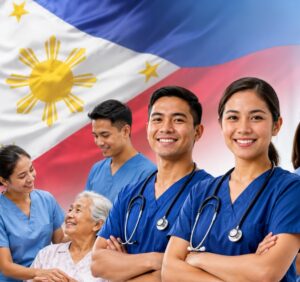
For many Filipino families in the United Kingdom, education is more than just a path to success—it’s a legacy. Whether they arrived as healthcare professionals, skilled workers, or students, Filipino parents have always viewed education as the key to unlocking a better life for their children.
As the Filipino community in the UK grows into its second and third generations, young Filipino-British individuals face a wealth of opportunities—but also unique challenges—in navigating education and career choices that balance ambition, identity, and belonging.
The Filipino Value of Education
Education holds a special place in Filipino culture. From the earliest years, parents encourage their children to excel academically and “make the most” of the opportunities abroad. Many Filipino parents who migrated to the UK did so to give their children access to world-class education and stability they themselves could only dream of.
This dedication often translates into impressive academic outcomes. Filipino and Filipino-British students are known for their strong work ethic, respect for teachers, and determination to succeed—values deeply rooted in the concept of sipag at tiyaga (hard work and perseverance).
Navigating the British Education System
The UK education system offers many pathways, but understanding them can be confusing for new or first-generation families. Filipino parents, especially those educated in the Philippines, may find differences in structure, grading, and progression levels.
Here’s a simplified overview:
-
Primary & Secondary Education: Children usually start school at age 4 or 5 and take GCSEs at 16.
-
Post-16 Options: After GCSEs, students can choose between A-Levels, T-Levels, BTECs, or apprenticeships.
-
Higher Education: Most universities require A-Levels or equivalent qualifications. Filipinos are well-represented in nursing, medicine, engineering, business, and computing courses.
Filipino community groups and churches often help parents understand school systems, especially when supporting children with special educational needs or planning for university applications.
Challenges for Filipino and Filipino-British Students
Despite their strengths, many Filipino youth face specific barriers to career progression:
-
Cultural Modesty and Confidence – Filipino students may excel academically but struggle with self-promotion or speaking up in class. The cultural trait of hiya (shyness or humility) can sometimes be misunderstood as a lack of confidence.
-
Lack of Representation – Few Filipinos hold visible leadership positions in schools, universities, or professional fields, which can make it harder for young people to see role models who look like them.
-
Parental Expectations – Many parents, especially first-generation migrants, encourage “safe” careers in nursing, medicine, or accountancy. While these are valuable paths, younger Filipinos are increasingly drawn to creative, digital, and entrepreneurial careers that also deserve support.
-
Financial and Immigration Barriers – Tuition costs, visa issues, and limited access to scholarships can also affect educational mobility for newer migrants or those on dependent visas.
The Rise of the Second Generation
The new generation of Filipino-British youth is redefining success. They are entering diverse fields—from law and politics to the arts, technology, and social enterprise. Many are using their bicultural identity to bridge worlds and challenge stereotypes.
Young professionals such as Filipino-British artists, NHS clinicians, tech entrepreneurs, and educators are now speaking openly about their heritage and inspiring others to aim higher. Social media and community networks also play a key role, providing mentorship and peer support.
Career Opportunities and Emerging Fields
While nursing and healthcare remain strong pillars of Filipino representation in the UK, younger generations are exploring new frontiers:
-
Technology & AI – software development, cybersecurity, and digital design
-
Education & Research – teaching, psychology, and academic leadership
-
Business & Finance – management, accounting, and entrepreneurship
-
Creative Industries – media, performing arts, design, and film
-
Public Service – local government, law enforcement, and community advocacy
Filipino youth are also finding success in vocational and apprenticeship programs, which combine paid work with qualifications—ideal for those who prefer hands-on experience.
Mentorship and Support Networks
Filipino organisations in the UK are stepping up to guide the next generation.
Groups like:
-
Filipino UK Nurses Community (FNUK) and PNA-UK – supporting healthcare professionals and students.
-
Young Filipino Professionals UK – providing mentorship and networking opportunities.
-
Filipino Students Societies in universities – fostering leadership, cultural pride, and social activism.
These networks give young Filipinos valuable role models and a sense of belonging, helping them navigate both professional and cultural challenges.
Balancing Two Identities
For Filipino-British youth, identity is a journey. They carry two cultures—Filipino warmth and British independence—and learning to blend both is a lifelong skill.
Maintaining ties to Filipino traditions through language, food, and family values provides a strong foundation for personal growth. Meanwhile, embracing the opportunities and freedoms of British society empowers them to lead, create, and redefine what it means to be Filipino in the UK.
The Filipino story in the UK is evolving—from migrant beginnings to a legacy of leadership, creativity, and achievement. For the Filipino-British youth of today, education is not just about grades—it’s about growth, purpose, and representation.
As more young Filipinos rise to leadership roles across different industries, their voices and achievements will continue to shape the community’s future—proving that wherever they go, Filipinos carry not just skill and ambition, but the unbreakable spirit of bayanihan and hope.
Disclaimer: This article is for general information only. Education pathways, admission requirements, and career opportunities may change over time, so always check with the relevant educational institution or official UK guidance before making decisions.