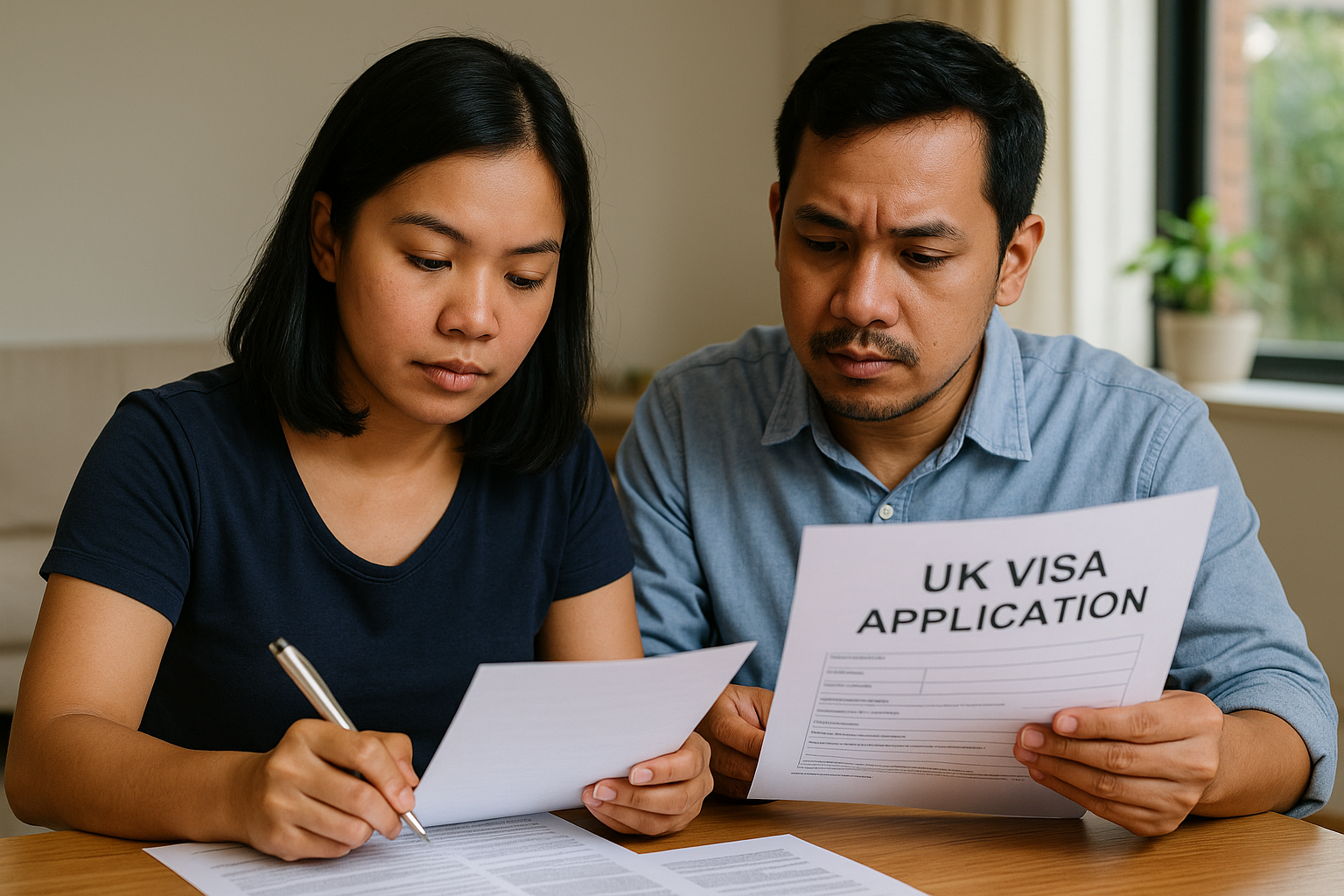
Moving to the United Kingdom is a dream for many Filipinos — whether it’s to work, study, join family, or build a better future. But understanding the UK immigration and visa system can be confusing, especially with constant policy updates and differing rules for each visa category.
This guide breaks down the main visa routes, essential steps, and useful tips to help Filipinos navigate the UK immigration system with confidence.
Understanding the UK Visa System
The UK operates a points-based immigration system, meaning applicants must meet specific requirements related to skills, income, English proficiency, and sponsorship. Your visa type determines what you can do in the UK — such as work, study, or live with family — and how long you can stay.
🩺 1. Work Visas for Filipinos
Many Filipinos come to the UK through work routes, especially in healthcare, hospitality, and skilled trades.
🔹 Health and Care Worker Visa
-
For nurses, carers, and healthcare professionals.
-
Requires a Certificate of Sponsorship (CoS) from a UK employer approved by the Home Office.
-
Allows family members (spouse and children) to join you.
-
Usually valid for up to 5 years and can lead to indefinite leave to remain (ILR).
Typical requirements:
-
Job offer from a licensed UK sponsor
-
Minimum salary (varies by role)
-
English language proof (e.g., IELTS)
-
Tuberculosis (TB) test from an approved clinic in the Philippines
🔹 Skilled Worker Visa
For non-healthcare professionals such as engineers, IT staff, or teachers.
-
Requires a job on the Skilled Occupation List
-
Minimum annual salary: around £38,700 (as of 2025), though health and education roles have lower thresholds
-
Can also lead to settlement after 5 years
🔹 Domestic Worker Visa
For private household staff such as nannies or housekeepers accompanying their employer.
-
Valid for up to 6 months
-
Allows you to change employer only in cases of abuse
-
You keep your passport and freedom of movement — no employer has the right to confiscate these
⚠️ Important: Avoid recruitment agencies that charge high “placement fees.” It’s illegal for UK recruiters to demand large upfront payments.
🎓 2. Student Visas
Thousands of Filipinos study in UK universities and colleges each year.
🔹 Student Visa
-
Requires a Confirmation of Acceptance for Studies (CAS) from a licensed institution
-
Proof of English (IELTS/TOEFL)
-
Show funds for tuition + living costs (about £1,334 per month in London or £1,023 elsewhere)
-
Part-time work allowed (up to 20 hours/week during term)
After graduation, students can apply for the Graduate Visa, which allows 2 years (3 for PhD graduates) to work in the UK without sponsorship.
❤️ 3. Family and Dependant Visas
If you have a spouse, partner, or parent living legally in the UK, you may apply to join them.
🔹 Spouse or Partner Visa
-
Must prove a genuine relationship (marriage certificate, photos, communication proof)
-
UK partner must earn at least £29,000/year (as of 2025) or meet savings requirements
-
Leads to settlement after 5 years
🔹 Child Dependant Visa
For children under 18 joining parents in the UK.
-
Parents must show financial capacity and suitable accommodation
🔹 Parent of a Child in the UK Visa
For a parent who has a British or settled child. The parent must have access rights and be active in the child’s life.
🌍 4. Settlement and Indefinite Leave to Remain (ILR)
After 5 years on certain visas (e.g., Skilled Worker, Health and Care Worker, Spouse Visa), you can apply for ILR, which lets you live permanently in the UK.
You’ll need:
-
Proof of continuous residence
-
No serious criminal record
-
Knowledge of Life in the UK test
-
English language qualification
After holding ILR for 12 months, you can apply for British citizenship if you meet the requirements.
✈️ 5. Visit Visas
Filipinos who want to visit family, attend events, or explore the UK can apply for a Standard Visitor Visa.
-
Valid for up to 6 months
-
Requires proof of return ticket, financial means, and ties to the Philippines
Be honest and accurate in your application — overstaying can seriously affect future visa chances.
🧭 Key Tips for Filipino Applicants
-
Always apply through the official UK government website – www.gov.uk.
-
Avoid fixers or unlicensed immigration agents. Only accredited advisers (OISC Level 1 or higher) can give legal immigration advice.
-
Keep copies of all documents — especially payslips, contracts, and bank statements.
-
Stay updated. Visa rules and salary thresholds change frequently.
-
Join community groups. Filipino organisations and consulates often host free immigration briefings.
🧩 Helpful Organisations
- UK Visas & Immigration (UKVI): www.gov.uk/contact-ukvi-inside-outside-uk.
- Kanlungan Filipino Consortium: kanlungan.org.uk.
- Philippine Embassy in London: londonpe.dfa.gov.ph.
- Citizens Advice: Free legal and visa guidance. citizensadvice.org.uk.
Final Thoughts
Migrating to the UK is a major life decision — full of opportunities, but also challenges. Understanding the right visa, maintaining your legal status, and knowing where to seek help are crucial for success.
For every Filipino working, studying, or raising a family in the UK, remember: you have rights, you have value, and you are not alone. With knowledge and community support, navigating UK immigration can be less stressful — and your dreams more within reach.
Disclaimer: This article is for general information only and does not constitute legal or immigration advice. Immigration rules and visa requirements may change, so always check the latest official UK Government guidance before making any decisions.