As of March 2023, the Philippines is still grappling with the COVID-19 pandemic. With the rise of new variants and the threat of the virus, the government has implemented various measures to control its spread, including travel restrictions. In this article, we will discuss the current regulations on traveling in the Philippines for vaccinated and unvaccinated individuals.
Traveling in the Philippines as a vaccinated individual
According to the latest guidelines from the Inter-Agency Task Force for the Management of Emerging Infectious Diseases (IATF-EID), fully vaccinated individuals are allowed to travel within the Philippines without the need for a COVID-19 test or quarantine. However, they are required to present a valid vaccination card or certificate, which shows that they have received two doses of a COVID-19 vaccine approved by the Philippine Food and Drug Administration (FDA) or World Health Organization (WHO).
Moreover, vaccinated individuals who are traveling to other regions or provinces are required to check the entry requirements of their destination. Some areas may require additional documents or may have their own entry protocols.
Traveling in the Philippines as an unvaccinated individual
Unvaccinated individuals are still allowed to travel within the Philippines, but they must follow stricter guidelines. They are required to present a negative RT-PCR test result taken within 72 hours before their travel date. In addition, they must undergo quarantine for 7 days in a quarantine facility and another 7 days in their own home or accommodation.
Exceptions to quarantine requirements are given to minors below 12 years old traveling with fully vaccinated parents or guardians and individuals who have recovered from COVID-19 within the last 90 days.
It is important to note that these guidelines are subject to change depending on the situation of the pandemic in the country. Travelers are advised to check the latest travel advisories and entry requirements of their destination before their trip.
The Philippines has implemented different travel protocols for vaccinated and unvaccinated individuals to ensure the safety of its citizens and prevent the spread of COVID-19. Fully vaccinated individuals are allowed to travel without the need for a COVID-19 test or quarantine, while unvaccinated individuals must present a negative RT-PCR test result and undergo a mandatory quarantine. It is crucial to follow these guidelines to avoid penalties and ensure compliance with government regulations.
The E-Pass
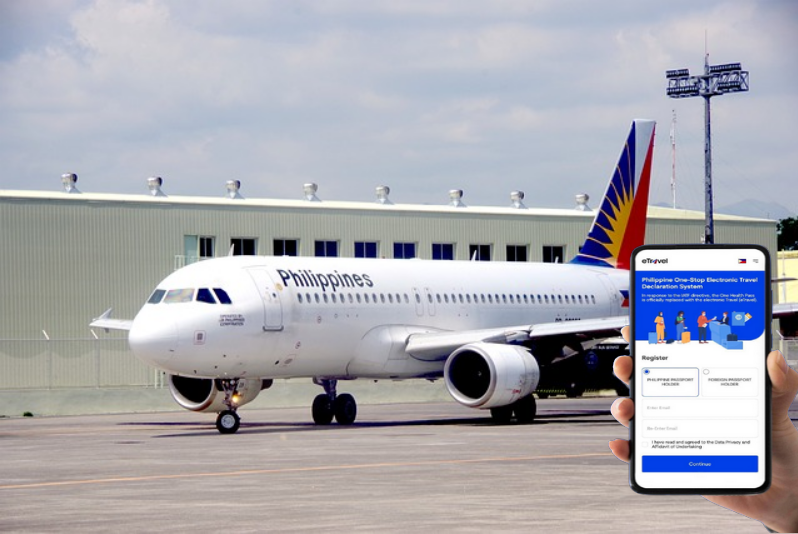
In the wake of the COVID-19 pandemic, many countries, including the Philippines, have implemented various measures to control the spread of the virus. One such measure is the introduction of an electronic pass, also known as an e-pass. In this article, we will discuss what the Philippines e-pass is, its purpose, and how to obtain one.
What is the Philippines e-pass?
The Philippines e-pass is a digital certificate that is issued by the Department of Information and Communications Technology (DICT). The e-pass is an electronic version of the quarantine pass, which is a document that allows individuals to go outside their homes to buy essential goods and services during community quarantine periods.
The purpose of the e-pass is to help the government track the movement of individuals and ensure that people are following quarantine protocols. The e-pass allows authorities to monitor the number of people going out of their homes, their destinations, and the duration of their trips.
Who needs an e-pass?
According to the Inter-Agency Task Force for the Management of Emerging Infectious Diseases (IATF-EID), the e-pass is required for individuals who need to go outside their homes during community quarantine periods to buy essential goods and services. This includes individuals who need to go to the grocery store, pharmacy, hospital, and other essential establishments.
How to obtain an e-pass?
To obtain an e-pass, individuals need to visit the official website of the DICT and register for an account. Once registered, they can apply for an e-pass by filling out an online form. The form will require personal information such as name, address, contact details, and purpose for going outside.
After submitting the form, the individual will receive an email confirmation containing their e-pass. The e-pass will contain a unique QR code that can be scanned by authorities to verify the identity and purpose of the individual.
It is important to note that e-passes are only valid for a specific period, depending on the duration of the community quarantine. Individuals need to apply for a new e-pass if they need to go out during the next quarantine period.
Wrapping Up
The Philippines e-pass is a digital certificate that allows individuals to go outside their homes to buy essential goods and services during community quarantine periods. The e-pass is issued by the Department of Information and Communications Technology (DICT) and can be obtained by registering on their website and filling out an online form. The e-pass helps authorities monitor the movement of individuals and ensure that people are following quarantine protocols. It is important to obtain an e-pass before going outside during community quarantine periods to avoid penalties and ensure compliance with government regulations.