
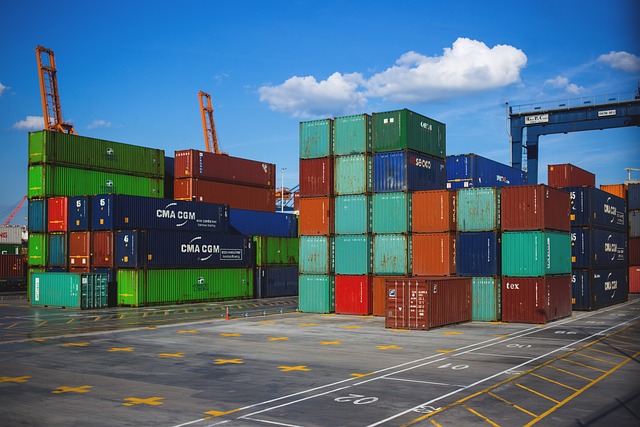
Whether or not it is worth importing products from the Philippines and selling them in the UK depends on several factors, such as the demand for the products in the UK, the cost of importing and distributing the products, and the competition in the market. Here are some things to consider when deciding whether or not to import products from the Philippines and sell them in the UK:
- Market demand: Conduct market research to determine whether there is a demand for the products you want to import in the UK. Consider factors such as the size of the market, the competition in the market, and consumer trends.
- Profit margins: Consider the cost of importing and distributing the products, including shipping costs, customs fees, and storage and distribution expenses. Determine whether you can achieve a profitable margin by selling the products in the UK market.
- Product quality and compliance: Ensure that the products you import comply with UK regulations and standards for quality and safety. Consider the reputation of the suppliers you work with and the quality of their products.
- Competition: Consider the level of competition in the UK market for the products you want to import. Determine whether you can differentiate your products from those of your competitors or offer a unique value proposition to customers.
- Logistics and distribution: Consider the logistics of importing and distributing the products. Determine whether you have the resources and infrastructure to handle the distribution of the products in the UK.
Importing products from the Philippines and selling them in the UK can be a profitable business opportunity if you conduct thorough market research, carefully evaluate the costs and logistics of importing and distributing the products, and comply with all relevant regulations and standards. It is important to work with reliable suppliers and logistics partners to ensure a smooth and successful importation process.
Filipino Products of High Demand in the UK
There are several Filipino products that are in demand in the UK due to their unique characteristics and high quality. Here are some examples:
- Food products: Filipino food products are gaining popularity in the UK, especially among food enthusiasts who are interested in trying new and exotic flavors. Some popular Filipino food products in the UK include dried mangoes, ube (purple yam) jam, banana chips, and Filipino-style cured meats such as tocino and longganisa.
- Beauty and personal care products: The Philippines is known for its natural and organic beauty products, such as virgin coconut oil, papaya soap, and calamansi (Philippine lime) extract. These products are becoming increasingly popular in the UK due to their unique ingredients and effectiveness.
- Handicrafts: Many UK consumers are interested in purchasing unique and ethically made handicrafts, and the Philippines has a rich tradition of producing high-quality and intricate handicrafts such as woven baskets, wood carvings, and hand-painted ceramics.
- Fashion and accessories: Filipino fashion designers and brands are gaining recognition in the UK for their innovative designs and use of traditional textiles and materials. Products such as hand-woven bags, statement jewelry pieces, and colorful fabrics are becoming popular among UK consumers who are looking for something different and unique.
Filipino products that are in demand in the UK tend to be those that offer a unique cultural experience or high-quality, natural ingredients. With the increasing interest in diverse and sustainable products, it is likely that demand for Filipino products in the UK will continue to grow in the coming years.
The Dreaded Customs Processes
When importing products from the Philippines to the UK, you will need to go through customs procedures to comply with import regulations and ensure that your products are cleared for entry into the UK. Here are some important customs procedures to keep in mind:
- Obtain an EORI number: An Economic Operators Registration and Identification (EORI) number is a unique identifier that is required for all businesses that import or export goods in the EU, including the UK. You will need to apply for an EORI number through the HM Revenue and Customs (HMRC) website.
- Check import restrictions and requirements: Before importing products from the Philippines, you should check to see if there are any import restrictions or requirements that apply to your products. This may include obtaining product-specific licenses or permits, complying with labelling and packaging requirements, or adhering to health and safety regulations.
- Declare your goods: When importing products from the Philippines, you will need to make a customs declaration to HMRC. This involves providing information about the products, their value, and their country of origin. You can do this through the Customs Handling of Import and Export Freight (CHIEF) system or through an intermediary, such as a freight forwarder or customs agent.
- Pay import duties and taxes: You will need to pay import duties and taxes on the products when they arrive in the UK. The amount of duty and tax will depend on the type and value of the products being imported.
- Submit documentation: You will need to submit documentation, such as a commercial invoice, packing list, and bill of lading, to HMRC to support your customs declaration. This documentation should accurately describe the products being imported and include information about their value, quantity, and country of origin.
- Inspection and clearance: Your products will be subject to inspection by UK customs officials to ensure that they comply with import regulations. Once your products have been cleared, they will be released for delivery to your chosen destination.
Importing products from the Philippines to the UK can be a complex process, but by understanding the customs procedures and regulations, you can ensure a smooth importation and avoid any potential delays or penalties. It is important to work with a reliable freight forwarder or customs agent who can guide you through the process and help you comply with all necessary regulations.
Disclaimer: This article is for general information only. Import regulations, customs duties, taxes, and product requirements may change, so always check the latest UK Government guidance before importing goods.



Hello
Pls can I have more information
Regarding a container shipping from phillipine to uk cost on per tone
Thank you Mr Kalyan
Hi! I would like to start an online business only here in the UK selling goods from the Philippines like food and beauty products. Would you be able to give some information about the certain permits or licenses or registration I need to secure here in the UK to operate legally? Would also be helpful if you could write an article about it to help Filipinos know more about this kind of business 😊 thank you